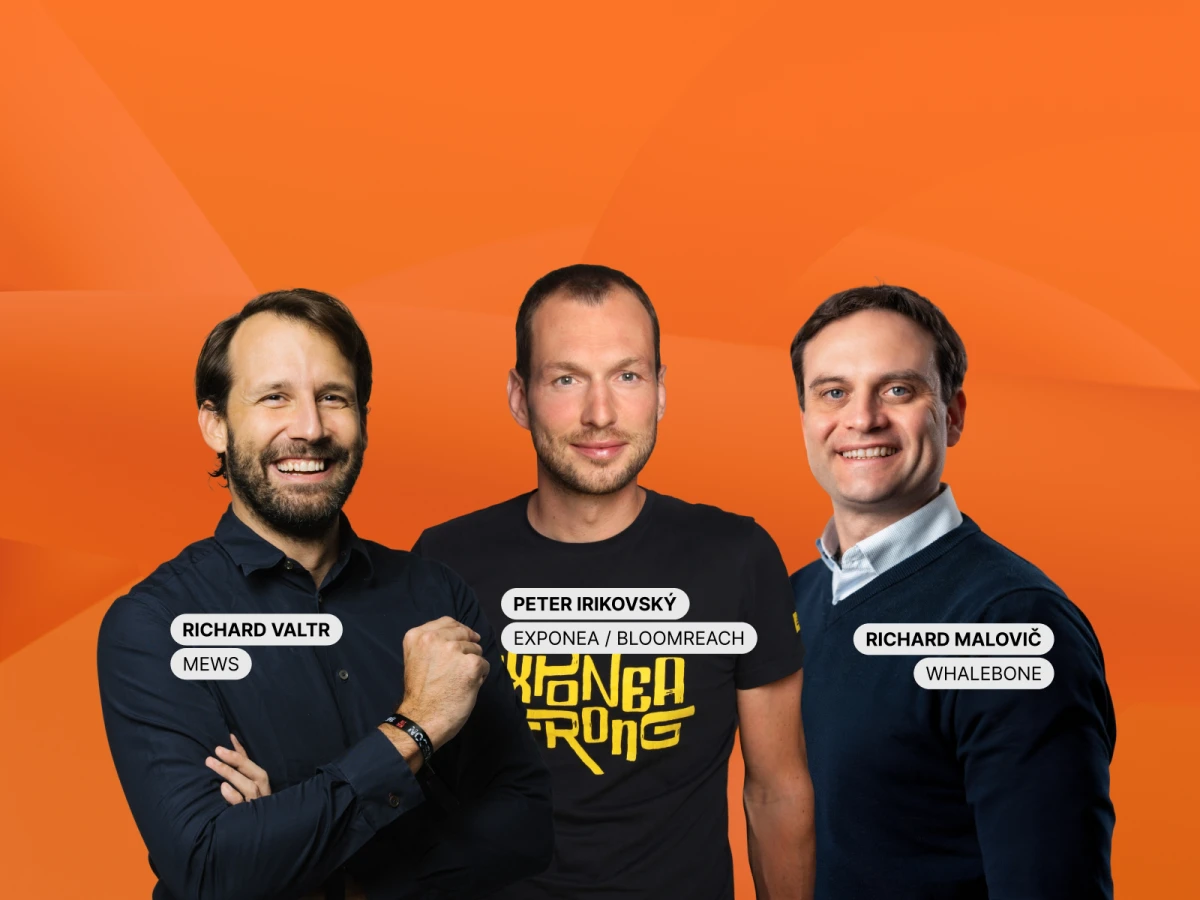
The Eldison ESOP event featured a panel discussion with founders who actively live ESOPs in practice – Richard Valtr (Mews), Petr Irikovský (Exponea / today Bloomreach), and Richard Malovič (Whalebone). Here are a few thoughts from the discussion:
The best ESOP is one the company can explain Idea: Having a legally sound plan isn't enough. If people don't understand what they have, what it's worth, and when liquidity might come, the ESOP won't work as a motivational tool.
Percentages aren't the best way to communicate an ESOP Idea: Employees often don't understand dilution and percentages. It works better to communicate value or share count and explain that even a smaller percentage can be worth more after an investment round.
A management-only ESOP can create an unnecessary divide Idea: Restricting the ESOP to management alone can reinforce the barrier between leadership and the rest of the company. A broader model better supports a culture of shared ownership.
ESOP in a crisis: who will hold the company together when times get tough Idea: An ESOP helps survive difficult periods. In times of crisis, an ownership mindset can determine whether the team rallies behind the company. People are more willing to accept tough measures when they feel they're fighting for something of their own.
ESOP as the foundation of the startup mafia Idea: An ESOP isn't just a reward — it's the foundation of the startup "mafia effect." When people gain experience, capital, and a strong network within a company, they can go on after an exit or secondary to found new companies, invest, and help the ecosystem grow.
A broad ESOP isn't unnecessary dilution Idea: A broad ESOP can be a strategic advantage, not needless dilution. A larger ESOP pool helps a company compete long-term for the best global talent — especially against US companies, where equity is a standard part of compensation.
ESOP as a recruiting argument for people who would otherwise never be employees Idea: A strong ESOP can convince entrepreneurial and senior-level people not to start their own business or take a corporate offer, but instead join the founder in building the company.
Founder control can protect both the ESOP and employees Idea: When an ESOP is structured through an SPV or trust controlled by the founder, it can protect employees from having their rights eroded in future investment documents.
"You're not employees — you're owners" Idea: An ESOP isn't just a benefit; it's a way to build an ownership mindset within the company. When people feel they have a stake in the outcome, they think differently about costs, priorities, and accountability.
Virtual shares are more fragile than a genuinely "parked" pool Idea: If an ESOP exists only contractually, it may be more vulnerable when shareholder agreements change. A structure where the pool is actually held by a separate shareholder can provide greater security.
Legal topics come up in many moments of growth, from fundraising and ESOPs to contracts, hiring and new markets. We share short, practical notes from the Eldison team, based on what founders and growing teams deal with in real life.
You are in control. We need your consent so that we and our trusted partners can store and access cookies, unique identifiers, personal data and information about your browsing behaviour on your device. See further privacy information.